A response to Professor Daniel Serwer
By Albatros Rexhaj | 23 November 2026
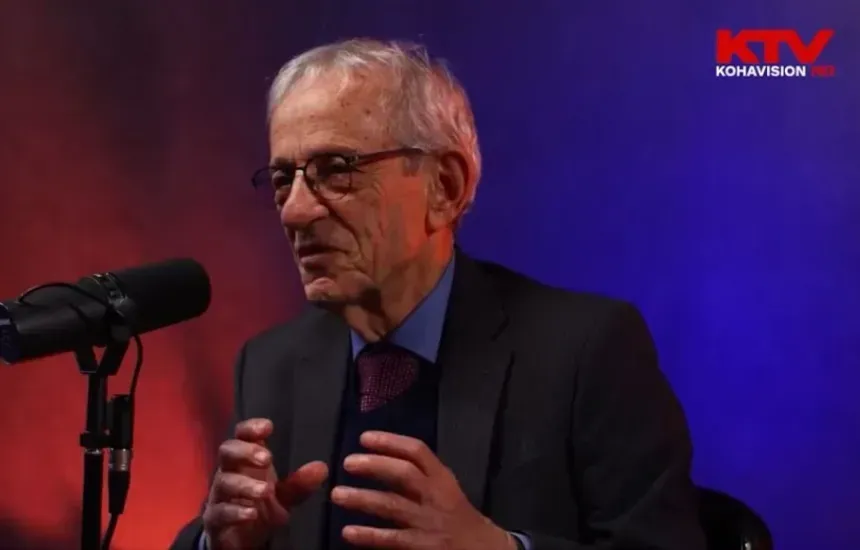
Professor Serwer, you told Veton Surroi that Serbia will not enter the European Union until it recognises Kosovo and exchanges ambassadors with it. You said anyone with a brain in Belgrade knows this.
They know it. They have known it for years. And nothing has moved. Why do you people, in Washington and in Brussels, after thirty years of work on our region, still believe that anyone who matters in Serbia wants to join the European Union?
Nobody does. It is a thing that does not exist.
Membership means a border with Kosovo, final. Neighbours as equals. Courts that do not take orders. No more heroes made out of war criminals. Everything the Union demands is something the people who decide in Serbia have spent their lives fighting. Why would they want to arrive there?
From Europe they want to be on the way. Being on the way pays. It brings money, visits and patience. Serbia has been negotiating for almost thirteen years and has closed two chapters out of thirty-five. A country that wanted in would be ashamed of that number. Serbia is comfortable with it.
And the most valuable thing they get on the way is your belief, Professor. As long as you people believe they want in, every lost year is only a delay and every provocation is only a setback. Everybody waits for Belgrade to come round. Your belief is their cover.
What they want is a time machine.
There is a good way to want one. A man who is ashamed of what he did wishes he could go back and not do it. Go back and leave Vukovar standing. Go back and let the men of Srebrenica walk home. Go back and leave us in peace in Kosovo.
Every mother knows the difference between a child who is sorry and a child who is sorry he was caught. The people who decide in Serbia are sorry they were caught.
In 2018 Aleksandar Vučić stood in North Mitrovica and called Slobodan Milošević a great Serbian leader whose "intentions were certainly the best ones" [namere su mu svakako bile najbolje]. Only the results, he said, were much worse. He has never been more honest. Their quarrel with Milošević is over his strategy. His goals they keep. He chose the wrong moment. He made too many enemies at once. He lost. That is all they hold against him.
They want to go back, do the same thing and get away with it.
Nobody can go back, so they wait for the old conditions to come to them. America looking elsewhere. Russia strong. Europe tired. And while they wait, they try. Banjskë (Banjska) was a try. More than three years later nobody in Serbia has been charged for it. They got away with it.
Vučić is gone. The students who beat him are no different, and they prove it at every opportunity. The European Parliament drafted a resolution for the thirty-five years since Vukovar was destroyed. The students rejected it. Serb suffering, they said, had been left out. In their foreign policy paper Bosnia exists as Republika Srpska. Their programme keeps Kosovo as a part of Serbia and leaves membership of the European Union out of its goals. Ask them anything about the 1990s and you hear their fathers. The faces changed in October. The wish did not.
You also said, Professor, that Kosovo's future will be harder than its past, partly because of the Americans. Belgrade heard you too. It has waited twenty-seven years for that news.
Conditions work only on those who want what is offered. The people who decide in Serbia do not want it, and they never did.
The conditions are clear. Belgrade understood them long ago. It is waiting for the time machine.