A Secretary-General’s report is supposed to be the United Nations’ own account. The north Mitrovica NGO that praised it on Tuesday said whose account it is.
Artan Rugova | 21 October 2026
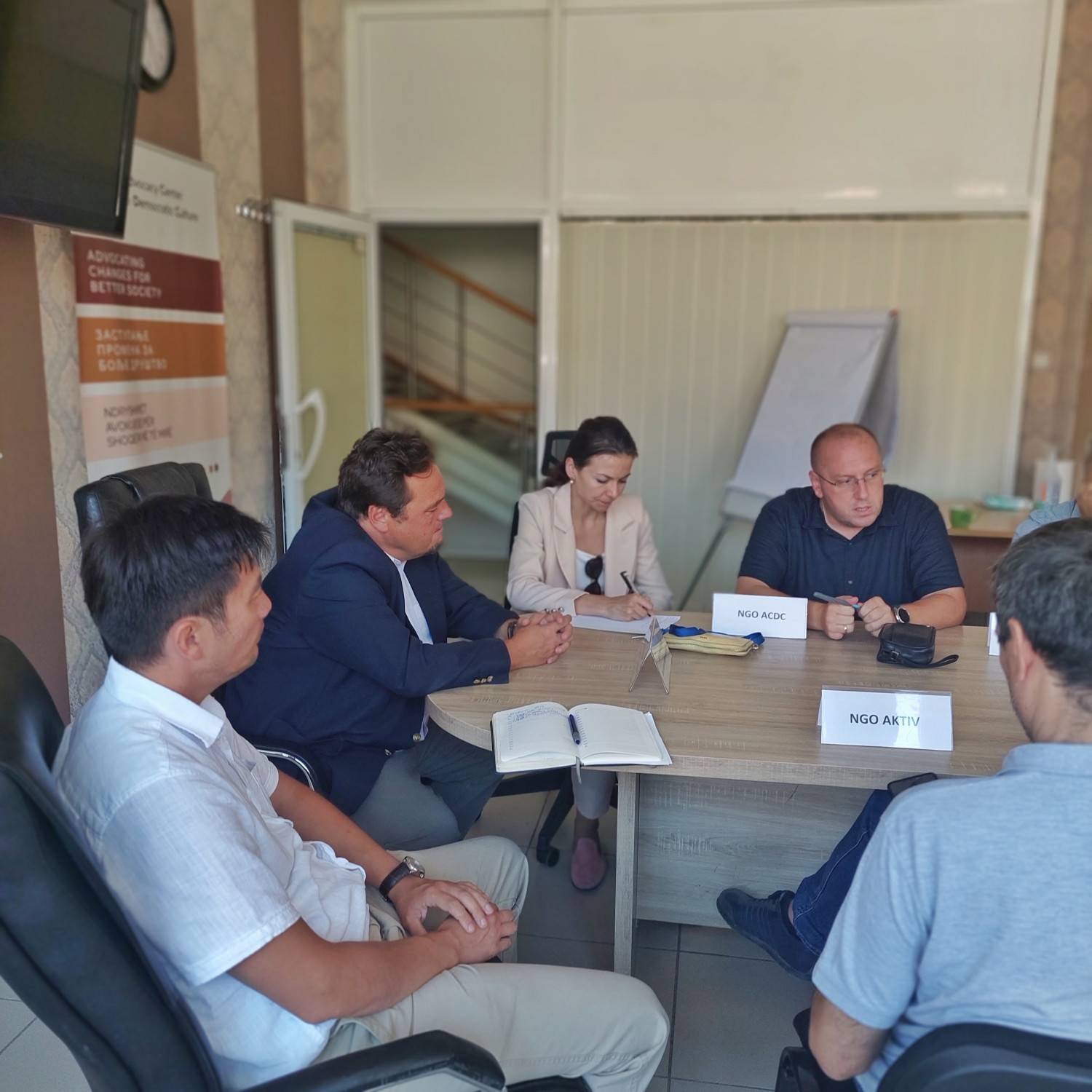
The day after Vasily Nebenzya thanked UNMIK for its report and called Kosovo a regime of institutional terror, the report was thanked again. Dušan Radaković, executive director of the Advocacy Center for Democratic Culture in North Mitrovica, told Kosovo Online it “has not been this realistic, accurate and comprehensive for a long time”. He said it had pleasantly surprised him. Then he said why. The Council had cited “the findings of civil society, that is, us who contributed through various initiatives”.
The Secretary-General’s report on Kosovo, the document the Security Council debates twice a year, the one Russia held up on Monday as proof of ethnic cleansing, contains, by the account of a man who supplied them, the findings of Serb advocacy groups in the north. He is not alleging it. He is taking credit for it.
The report is issued under the Secretary-General’s name. Its Observations are presented as the United Nations’ own assessment. Nowhere does it say that its account of the north was contributed by one community’s NGOs through “various initiatives”. The reader in New York is told what UNMIK found. The contributor in North Mitrovica knows what UNMIK was given.
Radaković also said what the contribution is for: “significantly greater pressure on Pristina” from the European Union and the American institutions, “now that the institutions in Kosovo are formed”. A lobbying objective, with the Secretary-General’s report as the instrument.
Kosovo’s foreign minister told the Council on Monday that the report was built on Serbian reports. He was accused of playing politics. Twenty-four hours later the Serbian side confirmed him, in gratitude.
A UN report written from one side’s submissions is that side’s submission with the Secretary-General’s signature. UNMIK should say which parts of the Observations came from “various initiatives”, and from whom. Until it does, the Council has no way of knowing whether it is reading the United Nations or reading ACDC.